

Find Skills Shortages by Country
Not everyone wants, or needs to have the freedom to explore Europe as a lifestyle — some people prefer to build a secure career in one EU country. That’s why we’ve reviewed the Critical Skills Shortage Lists across all 27 EU member states and highlighted the best and most accessible options available today. Explore the countries actively seeking skilled workers and find the right pathway for your future in Europe.

Bulgaria
Bulgaria is an EU member in Southeast Europe with a cost-competitive economy and a long-standing base in manufacturing, engineering, IT, and agriculture. Bulgaria’s labour market data consistently highlights gaps across skilled and semi-skilled roles.
With its low operating costs, EU market access, and expanding digital and industrial sectors, Bulgaria is often overlooked but remains strategically relevant for employers and investors seeking talent within the EU.
Read More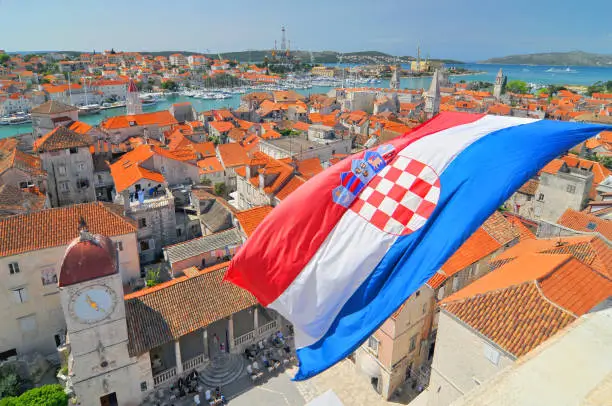
Croatia
Croatia is an EU member in Southeast Europe with an economy anchored in tourism, construction, manufacturing, and services, alongside growing demand in healthcare and IT. While tourism drives seasonal employment, the country faces structural labour shortages year-round due to population decline, emigration, and rapid infrastructure development.
As a result, employers increasingly rely on foreign workers, particularly in construction, transport, healthcare, and hospitality. Croatia offers EU market access, relatively moderate costs, and a stable regulatory environment, making it an underestimated but increasingly relevant labour market within the EU.
Read More
Denmark
Denmark is a high-income Nordic EU country known for its stable economy, strong welfare system, and highly skilled workforce. It has a long tradition of innovation in engineering, life sciences, clean energy, and digital technologies, alongside persistent labour shortages driven by an ageing population and high employment levels.
With its transparent regulations, strong work–life balance, and predictable business environment, Denmark is often seen as demanding-but highly attractive-for skilled professionals and companies operating in Europe.
Read More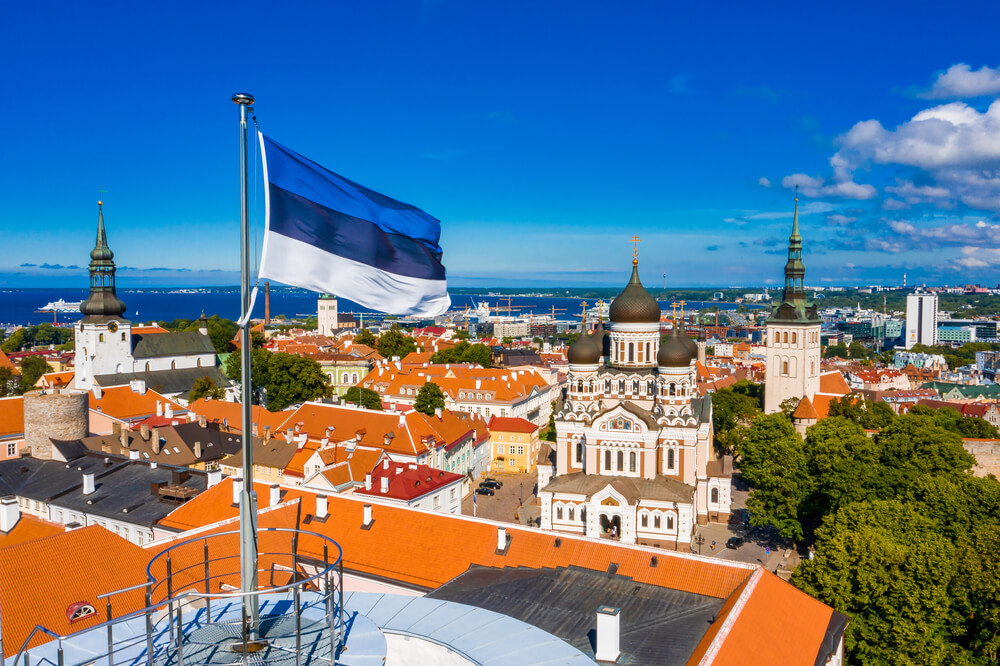
Estonia
Estonia is widely recognised for its digital-first economy and demand for highly skilled professionals. The country consistently reports shortages in software development, cybersecurity, engineering, and technical management roles.
Foreign specialists benefit from Estonia’s streamlined digital services, including remote administration and efficient residence processes. Estonia is particularly attractive to technology-driven professionals and startup founders.
Read More
France
France continues to experience skills shortages in healthcare, engineering, construction, technology, and specialised trades. Government-backed initiatives actively encourage the recruitment of qualified foreign professionals.
For skilled workers seeking employment in a large and diversified economy, France offers structured pathways alongside access to one of the EU’s largest labour markets.
Read More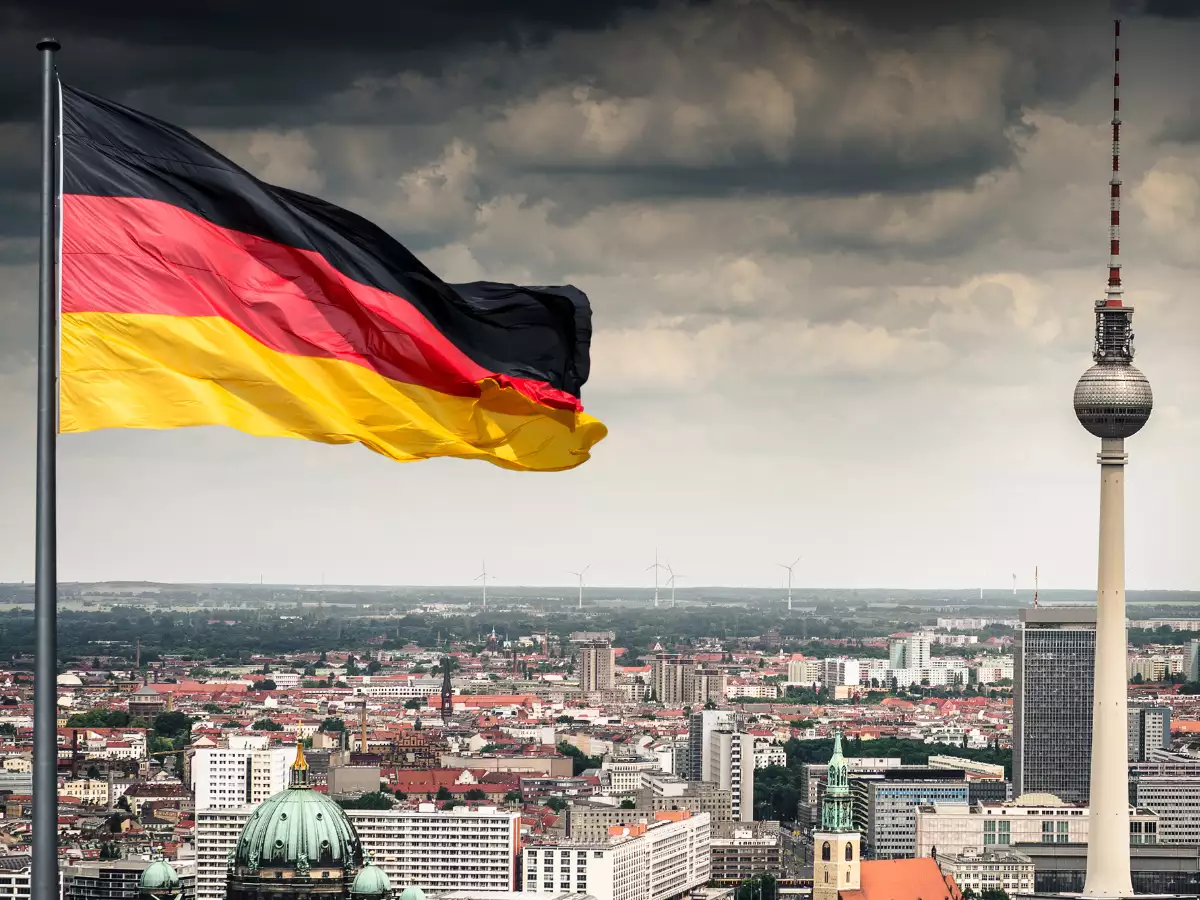
Germany
Germany faces some of the most critical skill shortages in Europe, driven by an ageing population and sustained industrial demand. Key shortage areas include engineering, healthcare, skilled trades, IT, and technical specialists.
Germany’s skilled migration frameworks are well established, making it one of the strongest options for professionals seeking long-term residence, career growth, and family settlement within the EU.
Read More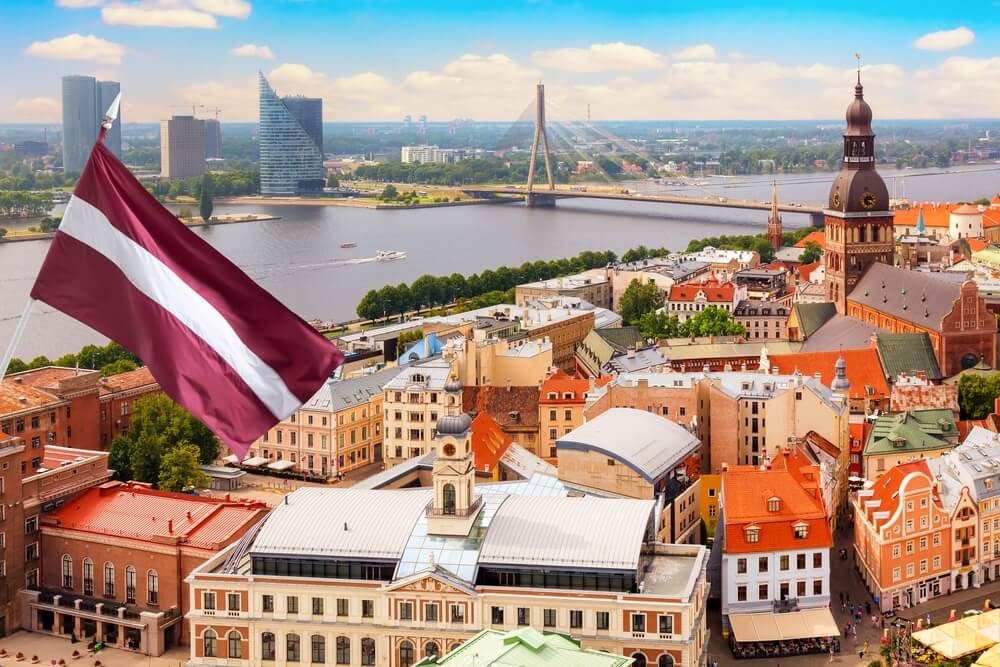
Latvia
Latvia continues to face skill shortages across construction, transport, IT, and healthcare sectors. As its economy expands and workforce demographics shift, employers are actively recruiting qualified foreign professionals.
Riga acts as the central employment hub, particularly for logistics, software development, engineering, and technical services. For skilled workers seeking EU residence with moderate entry barriers, Latvia remains a practical option.
Read More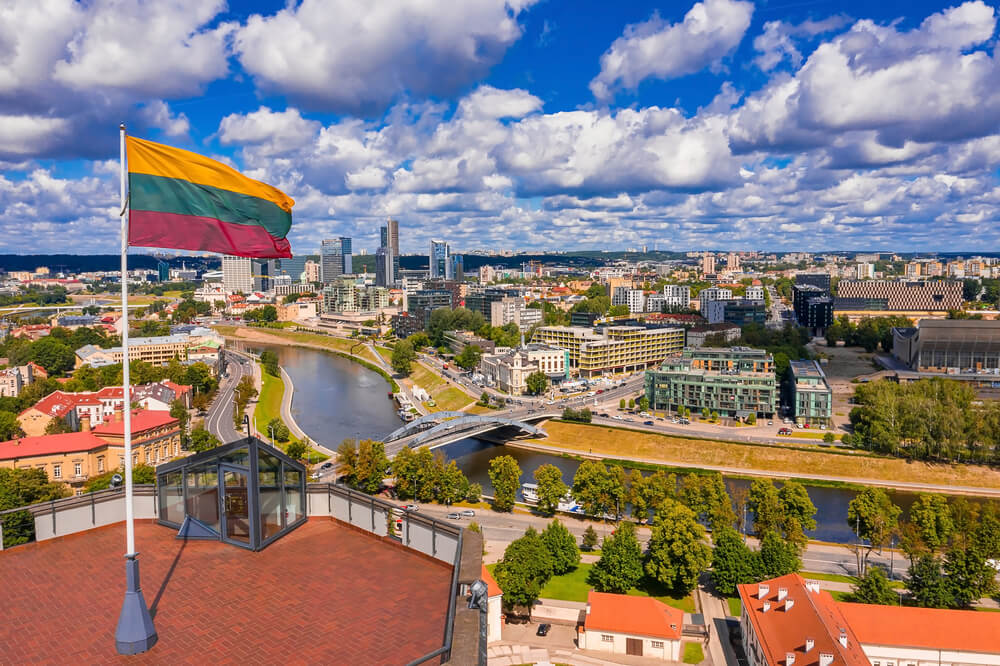
Lithuania
Lithuania has emerged as one of the most accessible EU destinations for skilled professionals, particularly in technology, engineering, manufacturing, and life sciences. With a strong focus on digital transformation and foreign talent attraction, the country actively supports work-based migration pathways.
Professionals with experience in IT, fintech, engineering, healthcare, and industrial services are increasingly sought after, especially in Vilnius and Kaunas. Lithuania also offers a relatively fast residence permit process compared to many Western EU states.
Read More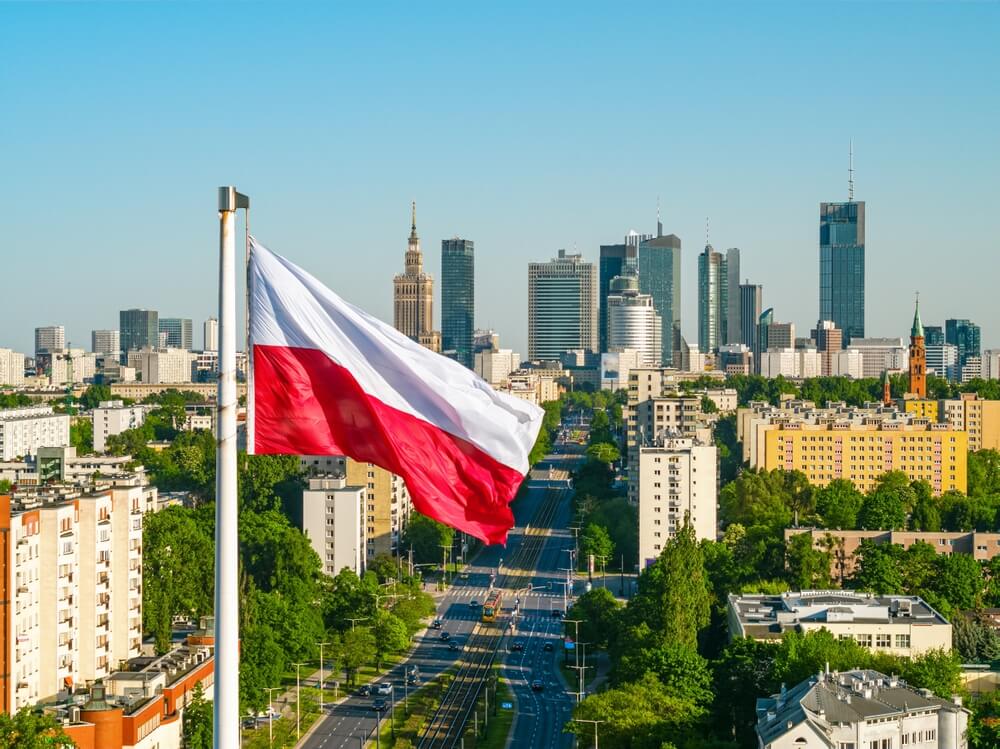
Poland
Poland’s large industrial and manufacturing base continues to drive demand for engineers, technicians, production managers, and IT professionals. With a growing services sector, shortages are also present in logistics and healthcare.
Poland offers broad employment opportunities across multiple cities and remains one of the more affordable EU destinations for skilled migrants, particularly for families and long-term relocation.
Read More
Portugal
Portugal is an EU member in Southern Europe with an economy built around services, tourism, manufacturing, construction, and a fast-growing tech sector. Despite steady growth and strong international demand in areas like ICT, healthcare, and infrastructure, the country faces persistent labour shortages.
Labour market data consistently highlights gaps in healthcare, engineering, construction, transport, and digital roles. With its EU market access, improving business environment, and relatively attractive living conditions, Portugal is often seen as lifestyle-driven but is increasingly relevant from a labour and talent perspective.
Read More
Romania
Romania is one of the largest labour markets in the EU, with a diverse economy spanning manufacturing, construction, IT, agriculture, and services. Despite its size, the country experiences persistent labour shortages that are especially visible in healthcare, engineering, construction, transport, and ICT.
While Romania does not publish a formal shortage occupation list, official labour market data consistently points to these gaps, positioning Romania as a key but often overlooked source and destination for labour mobility within the EU.
Read More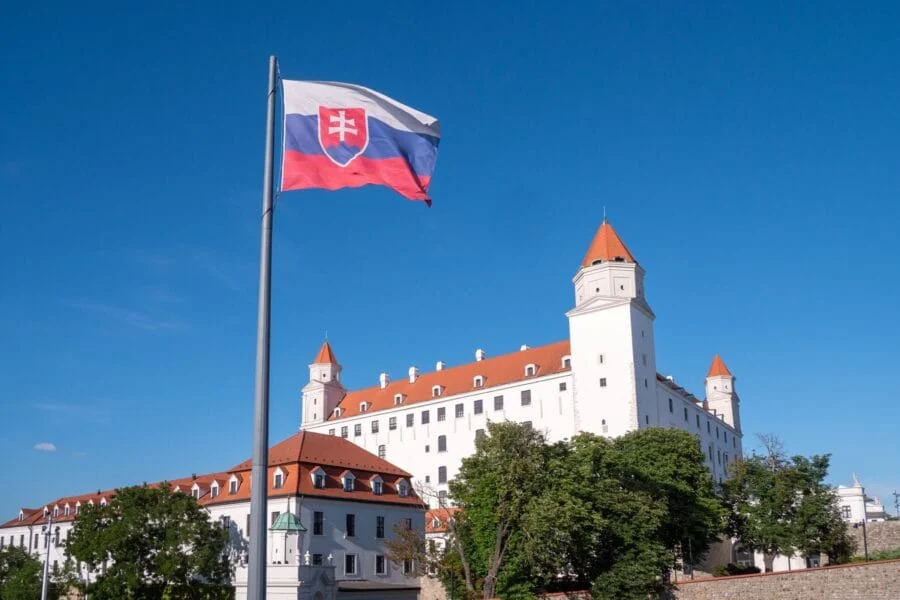
Slovakia
Slovakia is a compact Central European EU country with a strong industrial backbone, particularly in automotive manufacturing, engineering, electronics, and advanced production. Despite deep integration into EU supply chains, the country faces persistent labour shortages driven by an ageing population, outward migration, and skills mismatches.
With its central EU location, competitive operating costs, and stable regulatory framework, Slovakia presents a practical yet often overlooked destination for skilled professionals and employers seeking long-term workforce solutions within the European Union.
Read More